
Caring for the Caregiver: How Becklar’s Solutions Ease the Load
59 million Americans care for an adult loved one. How family caregiver support technology eases the load and restores confidence.
November is National Family Caregivers Month, Alzheimer’s Awareness Month, and National Home Care & Hospice Month, all at once. That is not a coincidence to gloss over. It reminds us that those receiving care and those providing it are two sides of the same story. This month, we are spotlighting family caregiver support—the people providing it, their concerns, and their needs.
According to data shared at the recent Connected Health Summit, 1 in 5 Americans will be of retirement age by 2030, and 85+ is the fastest-growing age cohort of this decade. Alongside that growth is a decrease in the number of available caregivers, with in-home shortages projected across RNs, CNAs, and aides.
The gap is being filled by families. According to AARP, 59 million Americans provide care to an adult with a disability or complex medical condition, and unpaid caregivers provided more than 19 billion hours of dementia care in 2025, according to the Alzheimer’s Association. For many, caregiving is a full-time job: nearly 1 in 4 caregivers provide care for 40 or more hours per week, and nearly 1 in 3 Americans are in the “Sandwich Generation,” raising children under 18 while caring for an adult loved one.
They are doing it largely without training. Only 11% of caregivers have received medical training in activities of daily living (ADLs) and instrumental activities of daily living (IADLs), yet 65% help with ADLs and nearly all help with IADLs.
Carrying this load takes a toll. Nearly 1 in 5 caregivers report being in fair or poor health, and 1 in 4 struggle to care for their own health, according to AARP. Emotional stress has risen since 2020, and nearly 1 in 4 caregivers reports feeling socially isolated. Between 40% and 70% of caregivers have symptoms of depression, according to Caregiver.org.
Ask caregivers what worries them most and the answer is consistent: falls. Falls are the leading cause of injury in adults age 65 and older, and 25% of older adults report falling each year. For those who fall and are not discovered quickly, the “long lie” is a serious health risk in its own right. For the millions caring for a loved one with Alzheimer’s or dementia, wandering sits right alongside it.
These struggles and concerns are the reason we designed our Belle family of mPERS devices and the Caregiver Mobile App.
Contact Us
Want to learn more about enterprise and individual connected safety solutions in your industry?
With our Belle devices, loved ones have access to help 24/7, even when their caregiver is away. Automatic fall detection, one button to press for help, and two-way voice with our award-winning monitoring center mean help is always nearby. We have developed a variety of form factors and features to fit many different lifestyles, but the basics remain the same: quick access to help, anywhere the user goes.
The Caregiver Mobile App exists to keep caregivers and their loved ones connected, and to reduce both the physical workload and the mental load. It gives caregivers real-time visibility into button presses, falls, first motion times, and missed first motion times. It lets them locate a loved one on demand without picking up the phone or disturbing them. The Places geofencing feature tells caregivers when a loved one enters or leaves an area, so they can know whether someone has wandered without having to be there or check in by phone.
That visibility is what turns anxious hours of calling or driving over into calm minutes of confidence. And because multiple caregivers can monitor one device user, the responsibility is shared across siblings, spouses, and adult children rather than resting on one person. One caregiver can also monitor multiple devices—an adult child watching over both mom’s and dad’s—extending that peace of mind further.
These solutions don’t replace the human elements of caregiving: the conversations, the presence. But they can take some of the constant background vigilance off a caregiver’s shoulders and relieve the stress that leads to burnout.
As we talk about caregivers’ needs this month, our focus is on how our current and future connected safety solutions can strengthen family caregiver support, relieve that stress, and offer peace of mind to caregivers and the people they love.
This month Becklar is hosting a webinar featuring innovations that can help dealers grow and manage their businesses as they support subscribers and the caregivers who give so much. Register here.
References
AARP: Caregiving in the United States
Alzheimer’s Association: Alzheimer’s Disease Facts and Figures
Connected Health Summit 2026
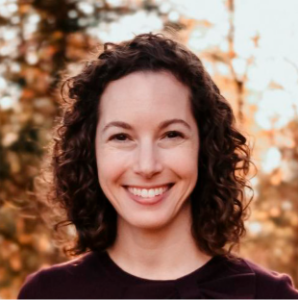
Amanda Goldfarb
Becklar: Senior Product Manager, Personal Health & Safety
Amanda leads platform and app development for Becklar’s mPERS solutions. With more than 15 years of experience in personal health and safety solutions, Amanda is passionate about building platforms and solutions that help seniors age in place and support the caregivers who stand beside them.