
Volkert: Help Reaches Crews, Even When They Can’t Ask for It
How Volkert makes sure help reaches its field crews, whether they tap SOS or simply miss a check-in.
Whether someone taps SOS or simply misses a check-in, Volkert’s responders get an alert and a last known location.
Company: Volkert, Inc.
Industry: Engineering & Infrastructure Services
Location: United States, 70+ offices
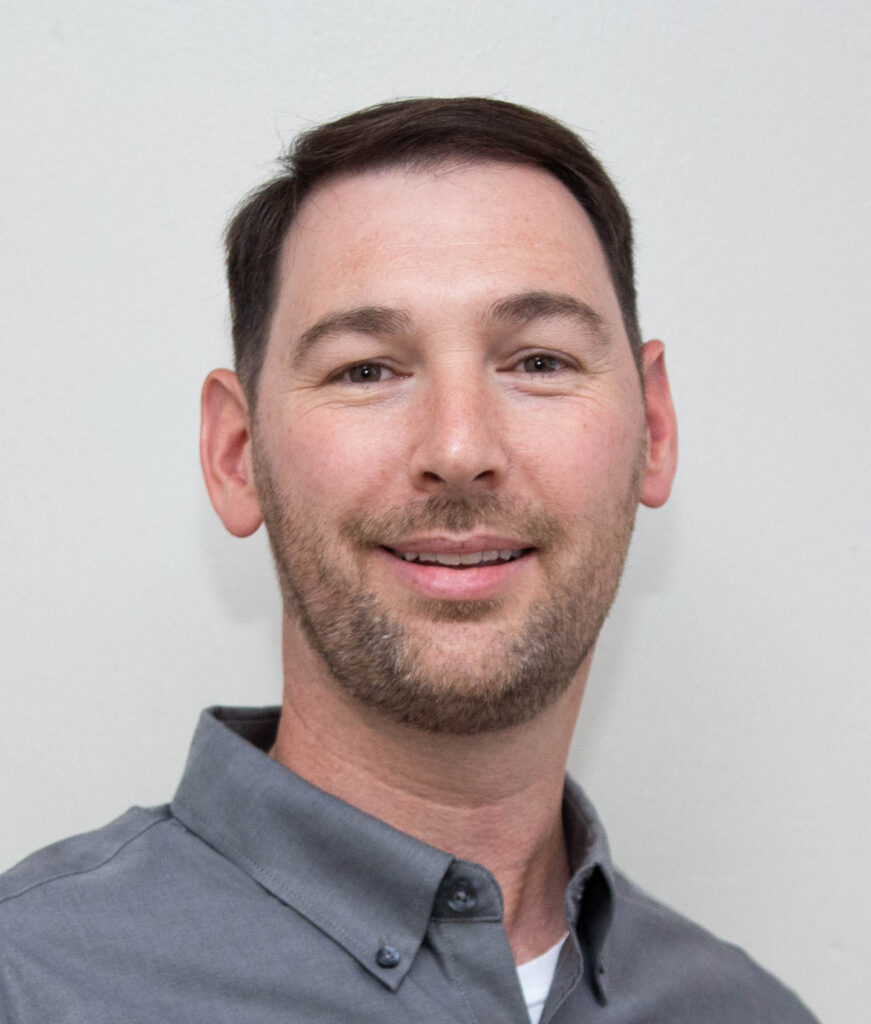
Interviewees: Jeff Schuler, Senior Project Manager; Austin Conrad, VP, Safety & Fleet Operations
“There’s always a fine line between an angry landowner and a dangerous landowner.”
Jeff Schuler
Senior Project Manager, Volkert, Inc.
1,500+
employee-owners
70+
offices across the U.S.
800+
fleet vehicles
15 million
miles driven last year
Overview
Volkert has been around for a century, and the employee-owned engineering firm now has more than 1,500 employee-owners in more than 70 offices across the United States. The work covers civil engineering, roads and bridges, underwater bridge inspection, survey, and real estate. It also puts a lot of people on the road: roughly one of every two hires gets a vehicle, and Volkert’s fleet of more than 800 vehicles drove about 15 million miles last year.
Austin Conrad leads safety and fleet operations across the company. Jeff Schuler oversees right-of-way agents across northwest Louisiana, northeast Texas, eastern Oklahoma, and western Arkansas, where the terrain runs from Arkansas mountains to low-lying swamp.
Challenge
Right-of-way agents spend their days with landowners, and many walk in to photograph old transmission lines that haven’t been touched in decades, some built in the 1940s. Keeping track of them took more than phone calls:
- Check-ins depended on texts and calls. Agents texted when they were headed home, and Jeff called when he could. If an agent was out of service or Jeff was in a meeting, the loop didn’t close.
- Vehicle data only went so far. Telematics showed whether a truck had moved, but a moving truck doesn’t tell you where the person is, and survey crews can be miles from their vehicles.
- Emergencies don’t leave time for a phone call. Reaching for your phone, finding a number, and explaining where you are is a lot to ask in the moment.
Catalyst
There was no single incident behind Volkert’s decision. Austin described the problem as the small things that go wrong when no one is nearby: a sprained ankle two miles from the truck, with no one around, is enough.
“It’s not always the most dangerous thing that happens. It’s something little that could turn into an event.”
Austin Conrad, VP, Safety & Fleet Operations, Volkert
He also recalled a project in Colorado, hours from Denver with no phone signal, and asking himself what would happen if something went wrong there.
Solution
Volkert partnered with Becklar Workforce Safety so protection would run on the phone employees already carry.
- SOS and check-ins on the phone. Agents can push a button for help, and the system signs people in at 8 a.m. and out at 5 p.m. each day. If someone misses a check-in, responders are alerted just as they would be for an SOS.
- A response chain that already existed. About six designated people are notified and receive the agent’s last known location. They are already part of the safety and fleet team or supervise people in the field, so the system added no new duties.
- A rollout built on trust. Volkert told crews up front that this was not about tracking them: the company can’t see where an employee is unless that employee sends an SOS or misses a check-in. Cost was not the main concern on the management side.
Watch the Full Webinar
Jeff and Austin joined a panel of utility safety leaders to talk about protecting crews in the field: “Proactive, Not Reactive: How Utilities Are Protecting Crews in the Field.”
Results
- Proof in the room. In training, Volkert’s team would hit the button during a demo and phones would start ringing within seconds. According to Austin, that demo became part of the pitch to upper management.
- Fast response. When Jeff, who uses the system himself, accidentally triggered an alert, four people were checking on him within a minute, even after he had sent an all clear.
- Adoption through trust. Many of the people who would use it had asked for something like this before Volkert partnered with Becklar, and once crews understood it was a safety tool and not a tracker, adoption followed. Volkert has not yet had to dispatch help for a real emergency.
Austin’s advice for any safety leader on the fence is that the return on investment shows up fast.
“If something happens that’s more serious, it way outweighs what it costs to implement these.”
Austin Conrad, VP, Safety & Fleet Operations, Volkert
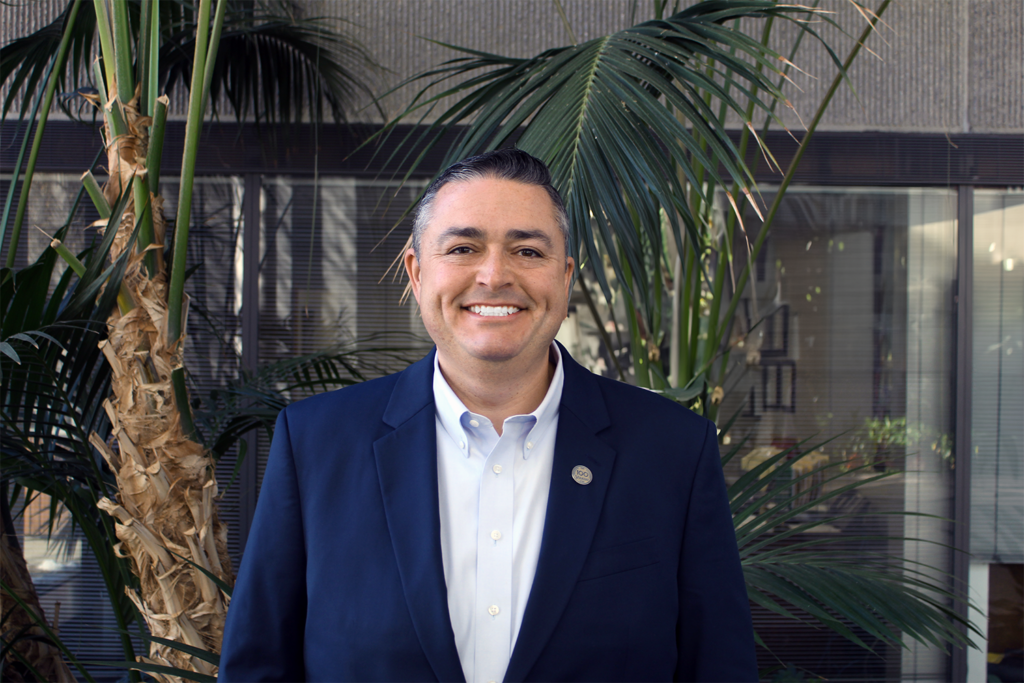
“It just makes me feel better that we’re doing something that’s proactive instead of reactive.”
Austin Conrad, VP, Safety & Fleet Operations, Volkert, Inc.
See How It Works for Your Crews
To learn more about how Digital PPE™ can help protect your workers, schedule a meeting today. A demo takes about half an hour.
Protect Your Lone Workers
See how man down detection and 24/7 monitoring work together
